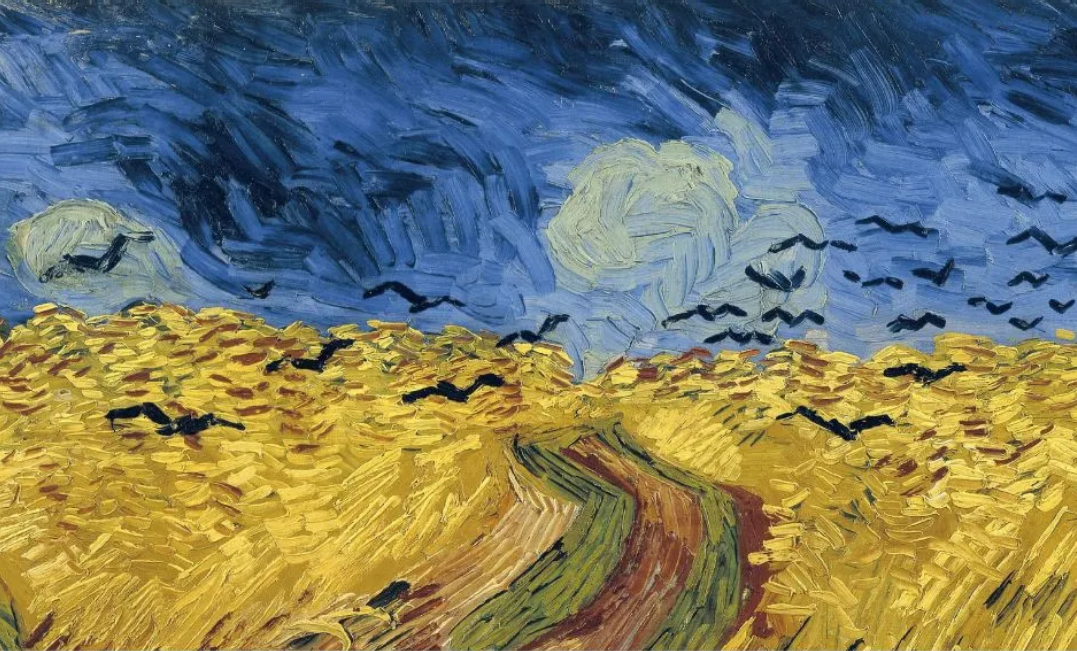
The Masterful Techniques of Vincent Van Gogh
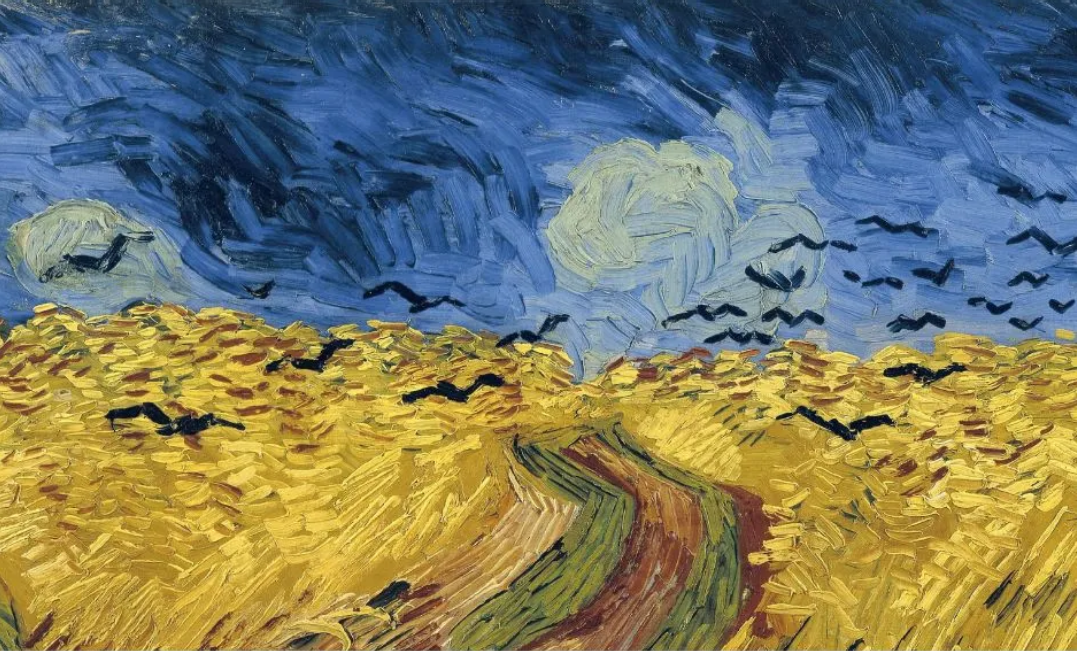
Vincent Van Gogh, A Wheat Field with Cypresses, 1889
Imagine stepping into a world where skies swirl like ocean waves and fields of wheat glow with intense psychological energy. Vincent van Gogh did not just paint the world; he painted his soul onto the canvas. During a tumultuous artistic career lasting just one decade, he completely reshaped the future of modern art.
While traditional painters aimed to mimic reality, Van Gogh shattered conventions. His brilliance lies in a simple yet revolutionary truth: he painted to capture how he felt rather than exactly how things looked, merging everyday subjects with deeply personal symbolism.
What Makes Van Gogh’s Paintings Unique?
Ordinary subjects painted with emotion over realism
Color: Vibrant, Non-naturalistic colors along with optical color mixing
His core painting techniques
His creative process
Emotion Over Realism
Van Gogh was a pioneer of Expressionism. Before his time, art was largely about accurate representation. Van Gogh turned this inside out by infusing ordinary subjects—a pair of old boots, a humble bedroom, or a withered sunflower—with immense psychological weight. Every canvas acts as a direct window into his internal emotional state.

Vibrant, Non-Naturalistic Colors
Color was Van Gogh's primary weapon for emotional storytelling. He deliberately abandoned realistic colors in favor of a bold, exaggerated palette designed to evoke specific moods. He famously used warm, saturated yellows to represent joy, warmth, and divine light, while pairing deep blues and sickly greens to depict dark, anxious psychological spaces.
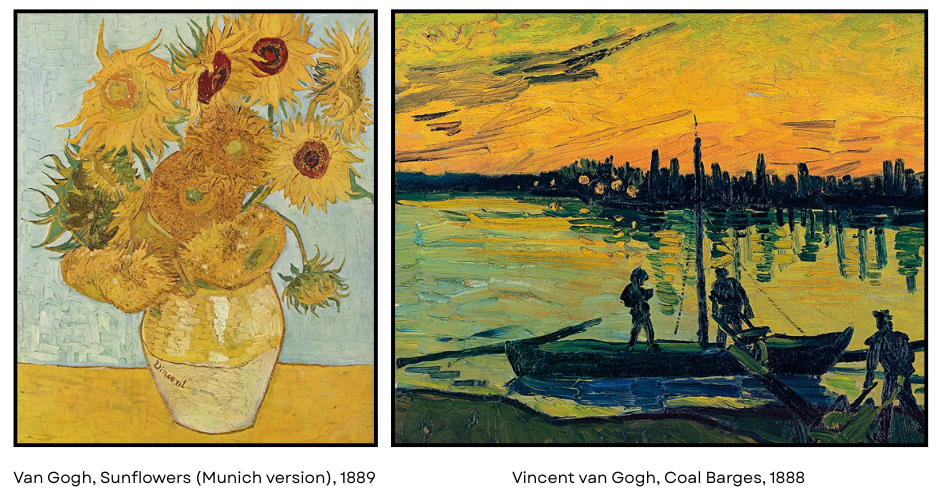
Optical Color Mixing
Instead of blending paints smoothly on a palette, Van Gogh frequently applied distinct, contrasting colors directly next to one another on the canvas. When viewed from a distance, these colors spark against each other. Your eye does the blending, creating a shimmering, high-vibrancy effect that feels alive.

The Creative Process
Underpainting and Sketching
Despite his wild style, Van Gogh's process began with deliberate structure. He often mapped out his compositions using quick charcoal sketches or thin washes of earth-toned underpainting. This established his perspective lines and tonal values before he applied his signature heavy layers of color.
Working Directly from Nature (Plein Air)
Van Gogh was a passionate plein air painter, meaning he worked directly outdoors in the elements. He painted at a furious, feverish speed to capture the shifting daylight and weather. This rapid-fire application meant he rarely paused to fix mistakes, which gave his finished pieces a raw, authentic energy.
Japanese Influences (Japonisme)
Van Gogh was deeply captivated by Japanese ukiyo-e woodblock prints. This fascination heavily rewired his creative process. From Japanese art, he adopted asymmetrical compositions, dramatic cropping, flat fields of color, and the very outlines that became a staple of his mature style.
The Lasting Legacy of a Visionary
Vincent van Gogh's radical approach to color and texture fundamentally shifted the trajectory of art history. By demonstrating that art could be an unfiltered expression of the human psyche, he cleared the path for major 20th-century art movements like Fauvism and German Expressionism.
Bring Van Gogh to Your Own Studio
If you want to channel Van Gogh’s passion in your own artwork, try these three steps:
Ditch the water: Use heavy-body acrylics or oils straight from the tube to experiment with texture.
Paint your mood: Choose a color palette based on how a subject makes you feel, not what color it actually is.
Make your strokes visible: Let your brush leave a physical trail behind to inject energy and rhythm into your piece.
Van Gogh's prolific decade of creation reminds us that art is not just a visual medium—it is an emotional language. The next time you pick up a brush or visit a gallery, look past the surface and feel the movement.
In Conclusion …
There’s a lot we can gain from the old Masters. I hope you’ve enjoyed learning a little bit about Van Gogh’s painting style, techniques, and even his life. Two things are positive: He was revolutionary in his approach to painting and although he lived an interesting life, it’s sad he didn’t live to see the effect his paintings would have on the art world today.
Thank you for your contributions … You are loved in the art world Mr. Vincent !
Till’ next time …. Joy
Vincent Van Gogh’s
Core Painting Techniques
The Impasto Technique
If you stand in front of a Van Gogh painting, you will notice it looks almost three-dimensional. This is due to impasto—the practice of applying thick, unthinned oil paint to the canvas. Van Gogh often squeezed paint directly from the tube onto his canvas, carving it with heavy brushes or palette knives. The resulting heavy ridges catch physical room light, casting real shadows across the artwork. If you look closely, you’ll see that each bold and impasto stroke leaves tiny cast shadows and highlights on the painting. This adds a dynamic three-dimensional quality. As you move around the painting and look at it from different angles, its appearance will change slightly as the tiny shadows and highlights move and the impasto strokes become more or less pronounced.
Bold, Directional Brushstrokes
Van Gogh's brushwork is instantly recognizable. He moved away from the delicate, hidden strokes of classical masters, opting instead for short, rhythmic, and sweeping dashes. In masterpieces like The Starry Night, these directional strokes create an unmistakable sense of movement, making the night sky look like a living, churning vortex. You can also see the impasto technique used in this painting.
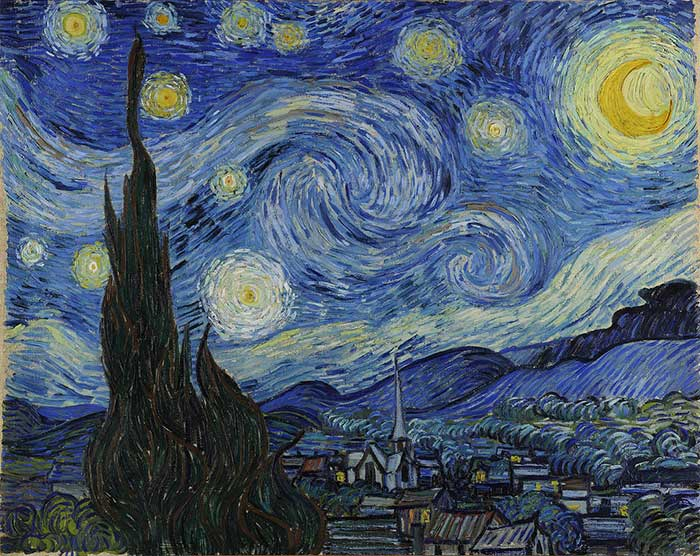
Vincent van Gogh, Starry Night, 1889
Dark Outlining
Influenced by graphic arts, Van Gogh frequently traced his subjects with heavy, dark contours. This technique gave his heavily textured paint a clear structure. The dark outlines separate his subjects from the background, exaggerating their forms and making them pop off the canvas.

The Only Painting that was Sold while Van Gogh was Alive.
The Red Vineyard, 1888 is the only painting Van Gogh is known to have sold during his lifetime.
The scene depicts laborers working in a sunlit vineyard, painted with deep reds, oranges, and yellows that create a warm, glowing atmosphere.
The composition is dynamic, with figures moving through the field, capturing a moment of daily life with vibrant energy.

Vincent Van Gogh - The Red Vineyard, 1888
My Favorite Supplies
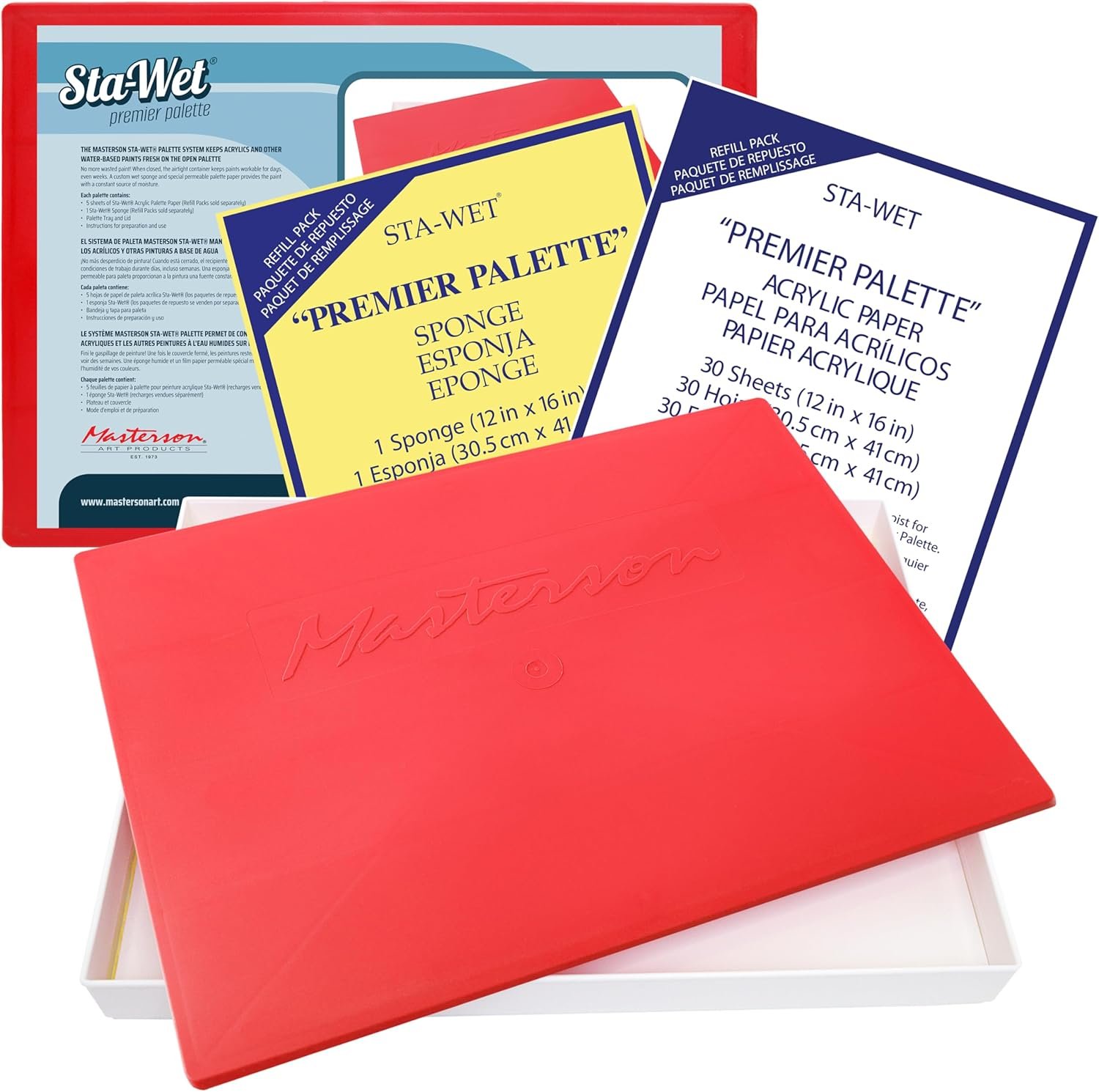
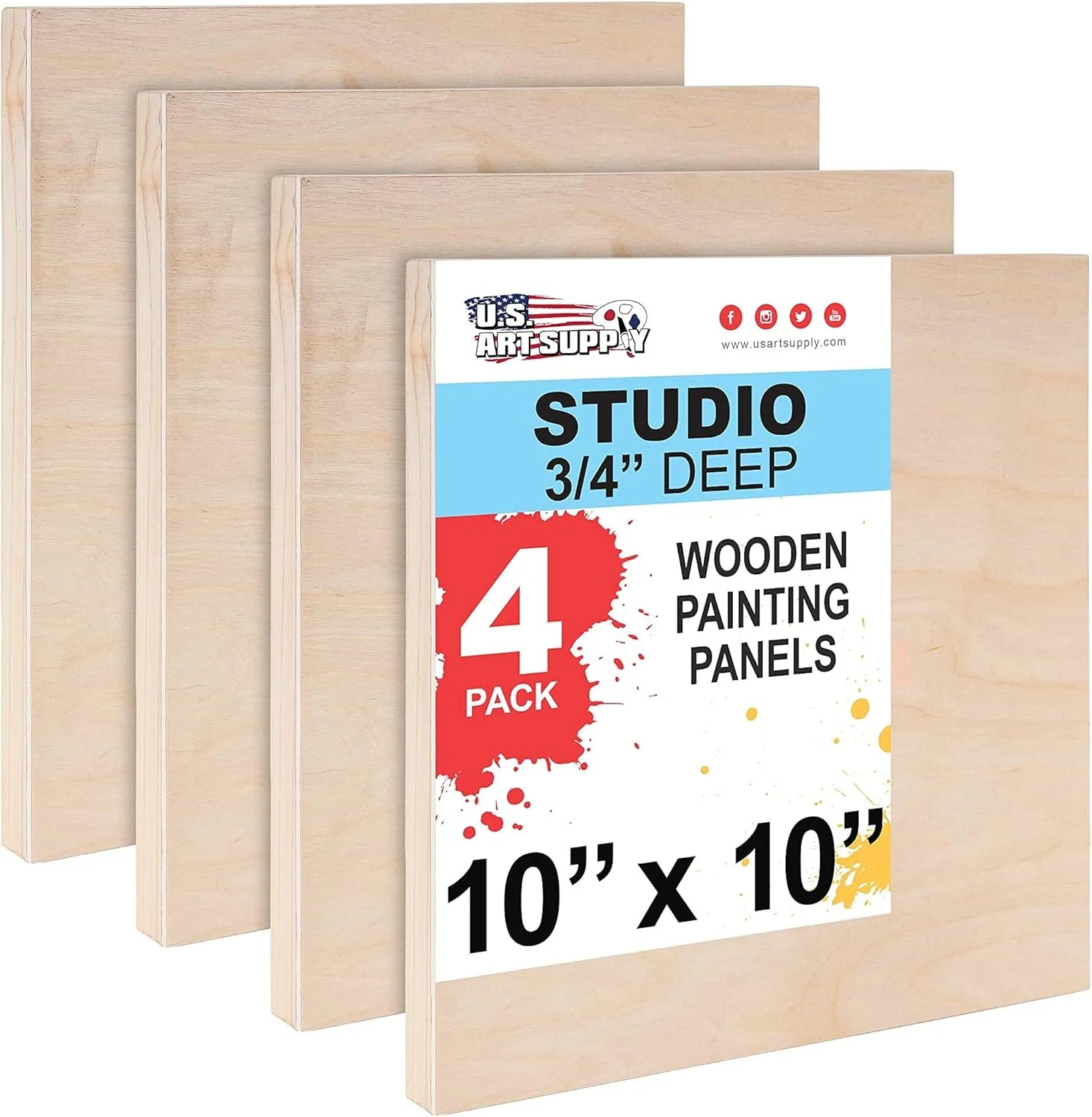
Below you’ll find some of my favorite supplies. These are products that I use a lot in my own art. Note: I am a participant in the Amazon Services LLC Associates Program, an affiliate advertising program designed to provide a means to earn fees by linking to Amazon.com and affiliated sites.

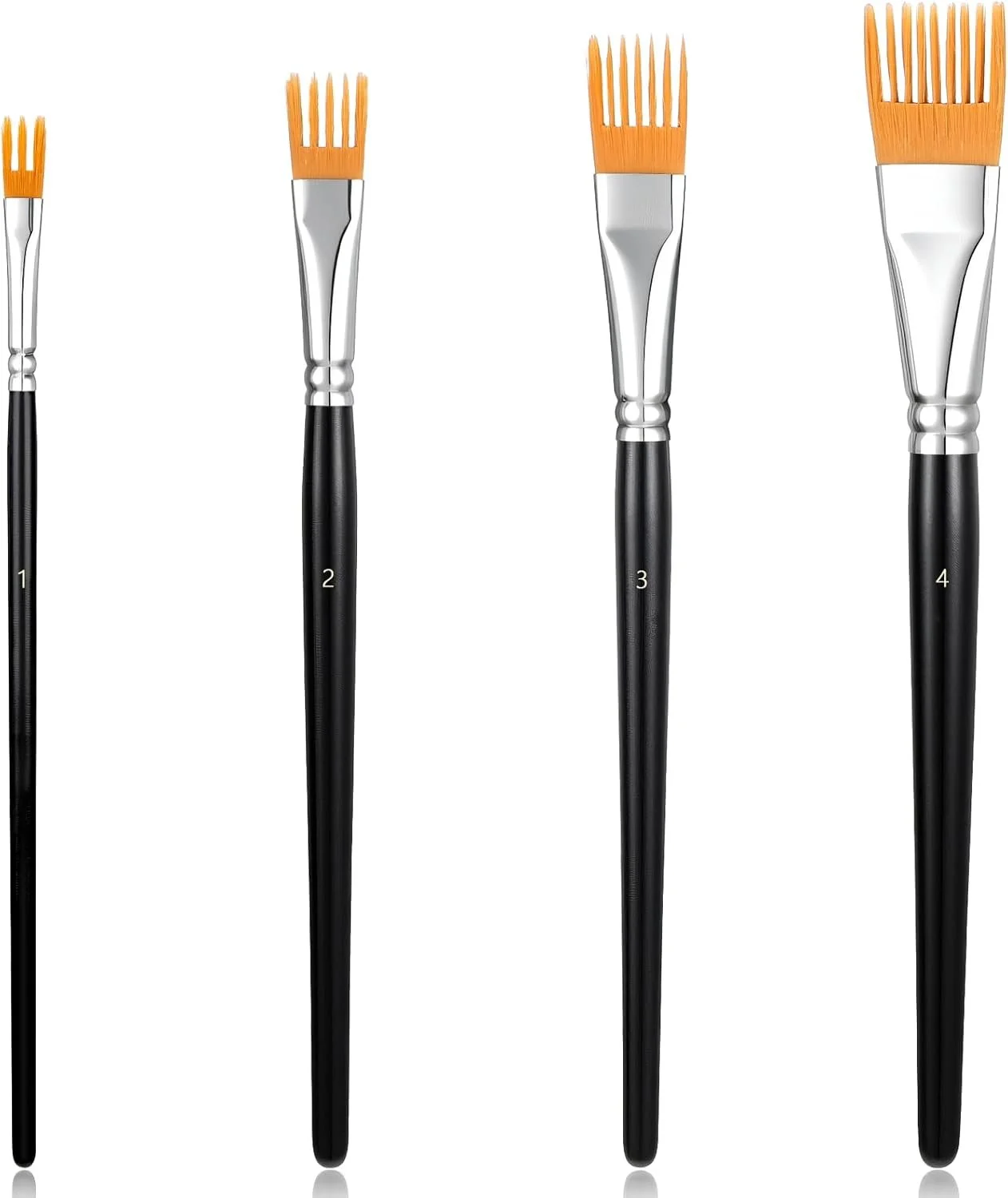

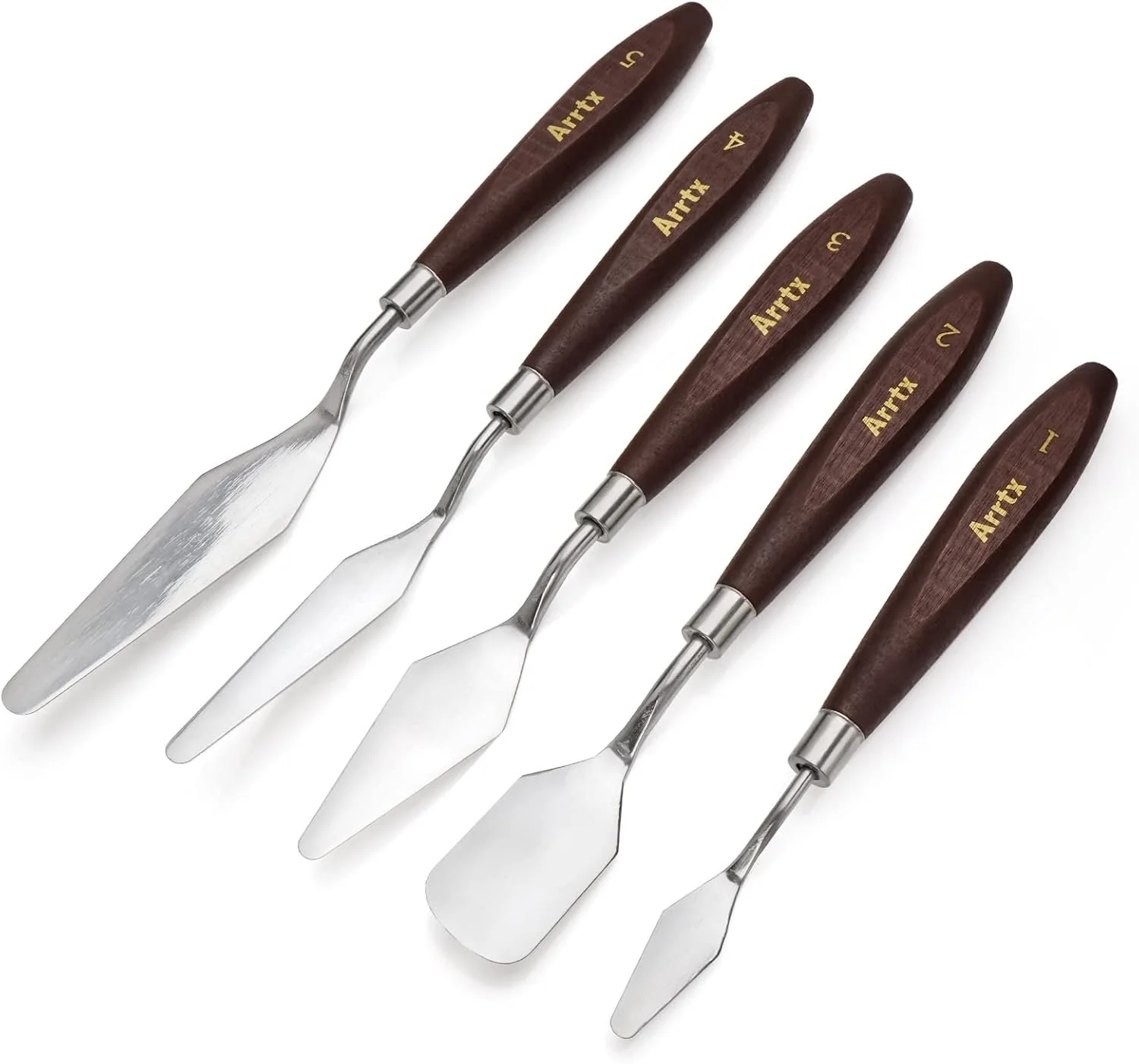

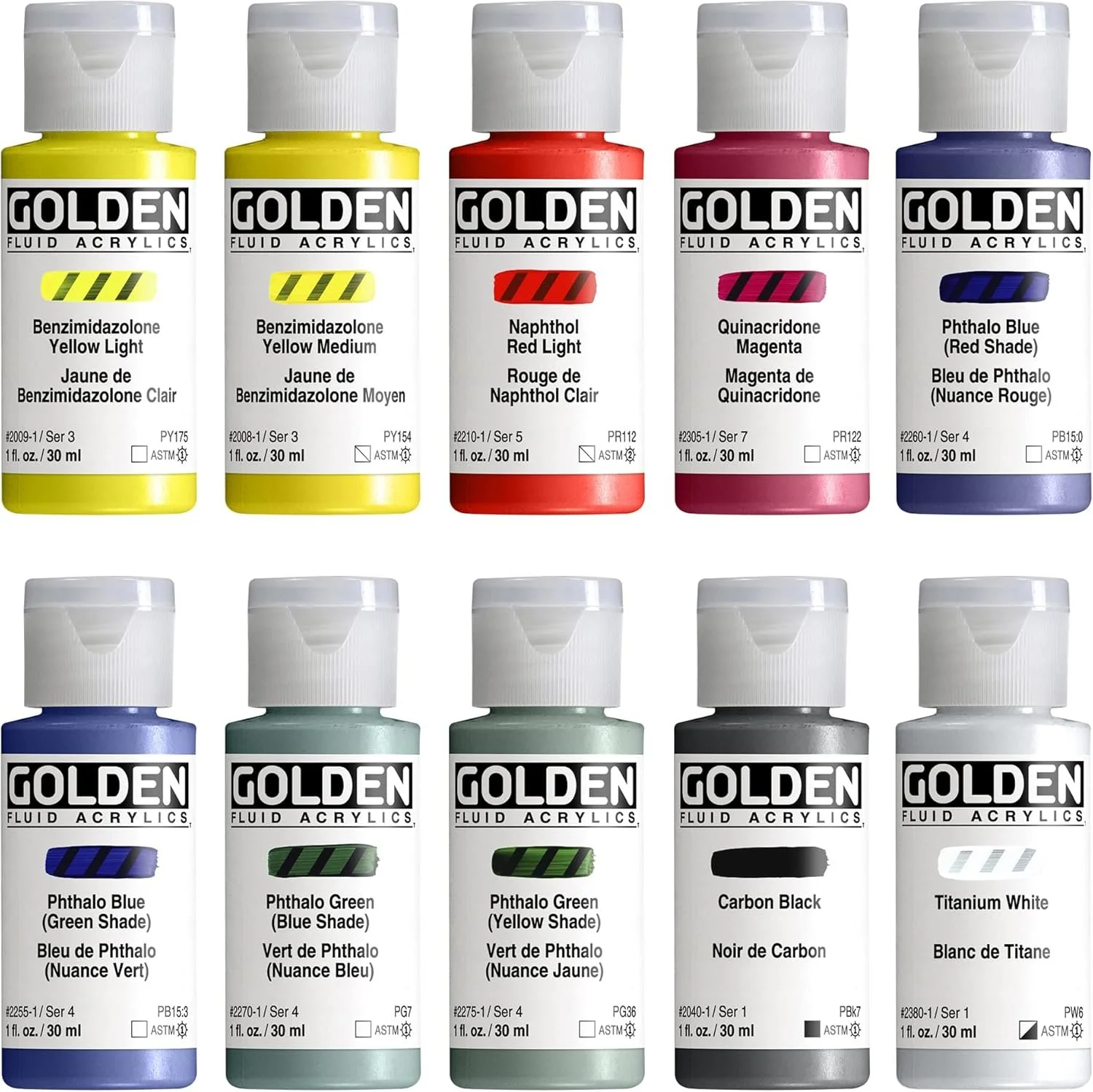


In closing, I hope you’ve enjoyed learning how to paint realistic grass.
My plan is to do a series of Landscape Painting Techniques so watch for new postings in the near future.
Reach out if you have any questions or comments and don’t forget to subscribe to our monthly newsletter.
Till next time … Happy Painting !
Joy
Sources:
YouTube Chuck Black Video
Amazon
NomanPainting
AI Images